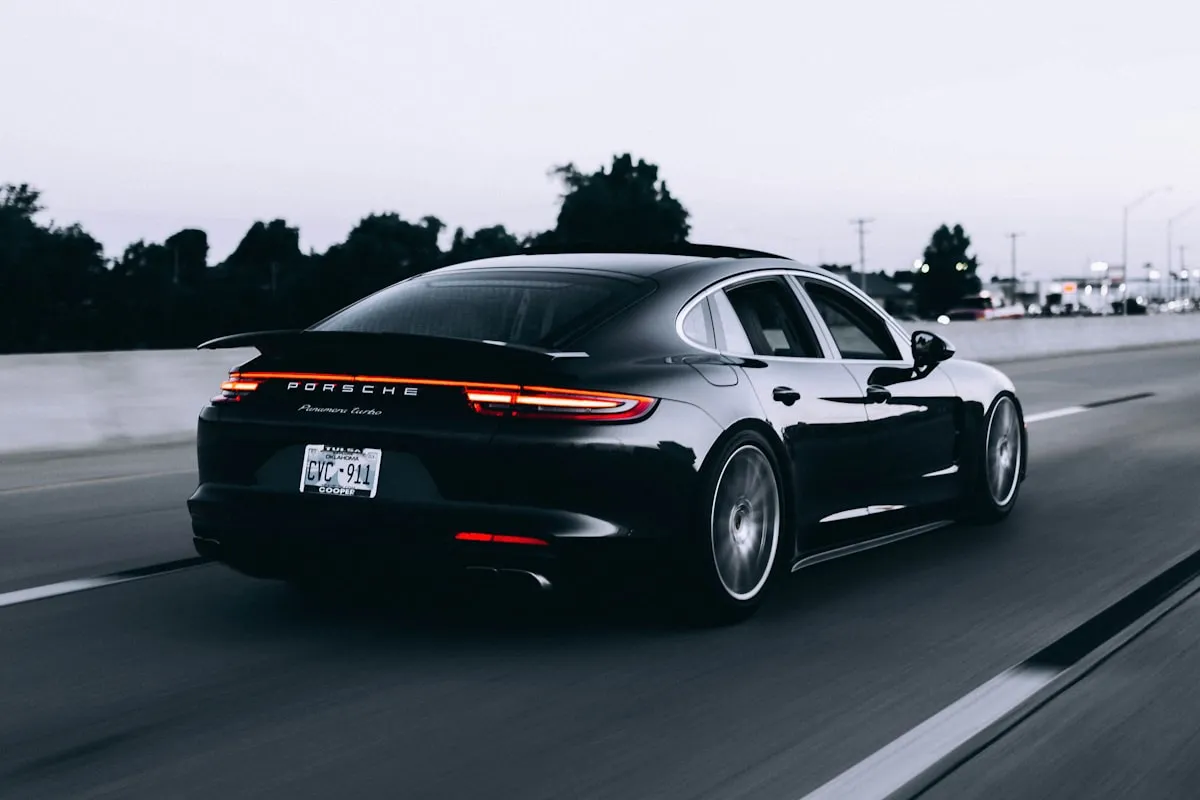
Acheter une voiture d'occasion en Suisse demande de la méthode. Le marché est large, mais fragmenté : garages de marque, indépendants, particuliers, plateformes d'annonces, véhicules importés. Ce guide reprend la démarche complète, de la recherche jusqu'aux plaques.
Où chercher son véhicule
Quatre canaux, quatre logiques.
- Le garage ou le concessionnaire. Le véhicule est préparé, souvent expertisé, et généralement vendu avec une garantie. Le prix intègre ce travail.
- Le particulier. Les prix sont souvent plus bas, mais la garantie est fréquemment limitée, voire écartée par une clause du contrat. Le contrôle est à votre charge.
- Les plateformes d'annonces suisses, notamment AutoScout24 et Comparis. Elles servent surtout à cadrer le prix de marché avant de vous déplacer.
- L'importation depuis l'Union européenne. Le choix est plus large, mais il faut compter le transport, la TVA à l'importation, d'éventuels droits de douane et l'homologation suisse. Voir notre article sur les démarches d'importation d'un véhicule en Suisse.
Lire une annonce correctement
Une annonce dit beaucoup, y compris par ce qu'elle omet.
- La date de première mise en circulation, pas l'année du modèle. Les deux diffèrent souvent.
- Le kilométrage rapporté à l'âge. Un écart marqué mérite une explication.
- La mention de l'expertise. « Expertisé du jour », « expertise récente » et « non expertisé » n'engagent pas le vendeur de la même manière. Demandez la date exacte.
- La provenance. Un véhicule suisse depuis l'origine et un véhicule importé ne se revendent pas toujours au même prix, à état égal.
- Le nombre de propriétaires et l'usage précédent : leasing d'entreprise, voiture de direction, véhicule de particulier.
- Les photos. Peu d'images, prises de loin, toujours du même côté : posez la question.
Une annonce vague suivie d'un vendeur évasif au téléphone vous fait gagner un déplacement.
Vérifier le véhicule avant de signer
C'est l'étape décisive, et elle mérite un article à elle seule : expertise et sa date, carnet d'entretien, historique des sinistres, essai routier en conditions réelles, contenu exact de la garantie. Reportez-vous à notre liste des huit points à vérifier avant d'acheter une occasion.
Retenez au minimum ceci : ne signez jamais sans avoir conduit le véhicule et sans avoir vu son rapport d'expertise. Chez un particulier, une expertise indépendante commandée à un garage tiers coûte moins qu'une mauvaise surprise six mois plus tard.
Négocier le prix
La négociation se prépare avant la visite, pas pendant.
- Comparez sur des annonces suisses, à modèle, année, kilométrage et équipement comparables. Un prix allemand ou français ne se transpose pas : il n'intègre ni le transport, ni les taxes, ni l'homologation.
- Appuyez-vous sur des éléments factuels : pneus à remplacer, prochain service proche, expertise à refaire, équipement absent.
- Négociez l'ensemble, pas seulement le montant. Une expertise du jour, un jeu de pneus hiver ou une extension de garantie s'obtiennent parfois plus facilement qu'une remise.
- Fixez votre limite avant d'arriver et tenez-la.
Un prix nettement sous le marché n'est pas une aubaine tant que vous n'avez pas compris l'écart.
Financer son achat
- Comptant. Pas de frais de financement, et une position plus confortable en négociation.
- Crédit. Le véhicule vous appartient dès l'achat, sauf clause de réserve de propriété prévue au contrat. Le coût total dépend du taux et de la durée.
- Leasing. La mensualité est souvent plus basse, mais le véhicule reste la propriété du bailleur. Le contrat fixe en général un kilométrage annuel et des conditions de restitution à lire ligne à ligne. Si vous avez déjà un contrat en cours, voyez comment fonctionne la reprise d'un leasing en Suisse.
Dans tous les cas, raisonnez en coût total sur la durée, jamais en mensualité seule. Un apport personnel réduit la mensualité et le coût du financement ; son montant se discute avec l'établissement qui vous finance. Chez SwissMcars, crédit et leasing sont montés avec des établissements bancaires suisses partenaires.
Les documents à réunir
Le jour de la transaction, vous devriez avoir sous les yeux :
- le permis de circulation du véhicule
- le rapport d'expertise, avec sa date
- le carnet d'entretien et les factures d'entretien et de réparation
- un contrat de vente écrit mentionnant les identités des parties, le numéro de châssis, le kilométrage relevé, le prix, la date et l'état convenu
- votre attestation d'assurance responsabilité civile
Entre particuliers, la garantie légale peut être restreinte ou écartée par une clause du contrat. Lisez-la avant de signer, faites préciser par écrit tout ce qui vous a été promis oralement, et faites-vous conseiller si une formulation vous échappe.
Après l'achat : assurance, plaques, impôt
L'ordre compte. Vous souscrivez d'abord une assurance responsabilité civile, puis vous immatriculez le véhicule auprès du service des automobiles de votre canton de domicile. Si vous remplacez un véhicule, vos plaques peuvent en principe être transférées. Vient ensuite l'impôt cantonal sur les véhicules, dont le calcul et les échéances varient d'un canton à l'autre.
Ces règles diffèrent selon les cantons et évoluent. Faites confirmer votre situation par le service des automobiles de votre canton avant d'engager les démarches.
Acheter chez SwissMcars
Notre showroom se trouve à Villeneuve, sur la Riviera vaudoise. Chaque véhicule est contrôlé sur plus de 150 points avant d'être proposé, avec un historique vérifié, et une garantie mécanique Quality1 peut être ajoutée en option. L'essai routier se fait sur rendez-vous, et nous prenons en charge les démarches administratives ainsi que la reprise de votre véhicule actuel.
Consultez notre catalogue de véhicules disponibles ou appelez-nous pour cadrer votre recherche avant de vous déplacer.